Searching for the right care for a loved one can feel overwhelming, especially when families are suddenly faced with unfamiliar terms like nursing care, nursing care plans, or continuum of care. Many people begin searching online for answers after noticing a parent or relative needs more support than can comfortably be managed at home.
If you are exploring care homes in North Ayrshire or looking into nursing care in Largs for the first time, understanding what nursing care actually involves can help families feel more informed and reassured when making important decisions.
At its heart, nursing care is about providing compassionate, around-the-clock support for people whose health needs have become more complex, while still helping them feel comfortable, valued, and at home.
What Is Nursing Care in a Care Home?
Nursing care is a type of care provided by qualified nurses alongside experienced care teams within a care home setting. It is designed for individuals who require regular medical support, ongoing monitoring, or help managing long-term health conditions alongside daily personal care.
While residential care supports residents with everyday tasks such as washing, dressing, meals, and medication assistance, nursing care provides an additional level of clinical support.
This may include:
- Medication management
- Monitoring medical conditions
- Mobility support
- Wound care
- Support following illness or hospital stays
- Assistance with complex health needs
- Palliative and end of life care
For many families, nursing care offers reassurance that professional support is available at all times while still maintaining the warmth and comfort of a homely environment.
Understanding the Nursing Care Plan
One of the most important parts of nursing care is the nursing care plan.
A nursing care plan is a personalised document that outlines the support a resident needs each day. It helps ensure every member of the care team understands the resident’s medical requirements, personal preferences, routines, and wellbeing goals.
No two nursing care plans are exactly the same because every resident is unique.
For example, one resident may need support managing mobility difficulties and medication after a stroke, while another may require specialist dementia care alongside help with nutrition and hydration.
A good nursing care plan looks beyond medical needs alone. It should also include details about the person themselves, including:
- Preferred routines
- Hobbies and interests
- Communication preferences
- Emotional wellbeing
- Dietary needs
- Social preferences
- Family involvement
This person-centred approach helps residents continue living with dignity, familiarity, and comfort while receiving the support they need.


When Might Someone Need Nursing Care?
Families often wonder when it is the right time to consider a nursing home in Ayrshire or whether nursing care is truly necessary.
Usually, the decision comes gradually rather than suddenly. A loved one may begin struggling more with mobility, become increasingly frail, experience frequent falls, or need closer monitoring due to a medical condition.
In some situations, someone may move into nursing care following a hospital stay when returning home no longer feels safe or manageable.
For others, conditions such as Parkinson’s disease, advanced dementia, stroke recovery, or complex long-term illnesses can mean additional support is needed to maintain quality of life and wellbeing.
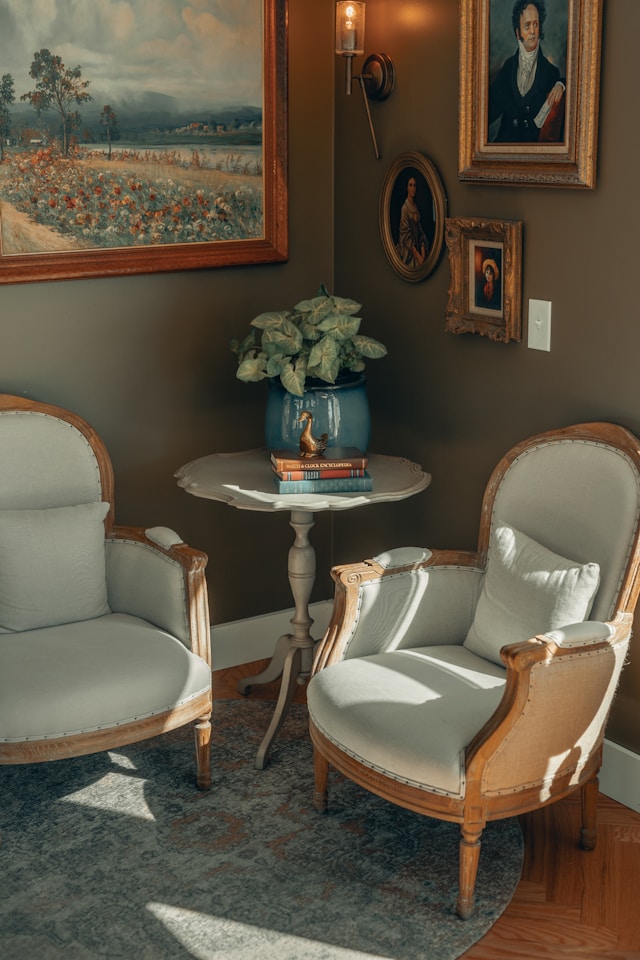
It is important to remember that moving into nursing care is not about taking independence away. In many cases, having the right support available actually helps residents feel more confident, comfortable, and secure.
The Importance of Continuum of Care
One of the biggest concerns families often have is what happens if needs change in the future.
Someone may initially move into residential care while mostly independent, but over time require nursing support or specialist dementia care. Others may eventually require palliative care later in life.
This is where continuum of care becomes incredibly important.
A care home that offers a continuum of care can continue supporting residents as their needs evolve, without requiring them to move to an entirely new environment with unfamiliar surroundings and new faces.
For example, a resident may begin with residential care support, enjoying help with daily living and companionship, before later transitioning smoothly into nursing care if health needs become more complex. In time, the same trusted care team may also provide compassionate palliative care focused on comfort, dignity, and emotional support.
This continuity can make a huge difference emotionally for both residents and families. Remaining in familiar surroundings, maintaining friendships, and continuing relationships with trusted staff often helps reduce stress and anxiety during periods of change.
For residents living with dementia especially, consistency and familiarity can be incredibly reassuring.
Nursing Care Is About More Than Medical Support
When people first hear the term nursing home, they sometimes imagine a purely clinical setting. In reality, modern nursing care homes focus just as much on emotional wellbeing, companionship, and quality of life as they do medical support.
A good nursing care home should still feel warm, welcoming, and social.
Residents should continue enjoying meaningful activities, conversations, hobbies, family visits, and moments of independence wherever possible. Daily life should include enjoyment and connection, not simply care tasks and routines.
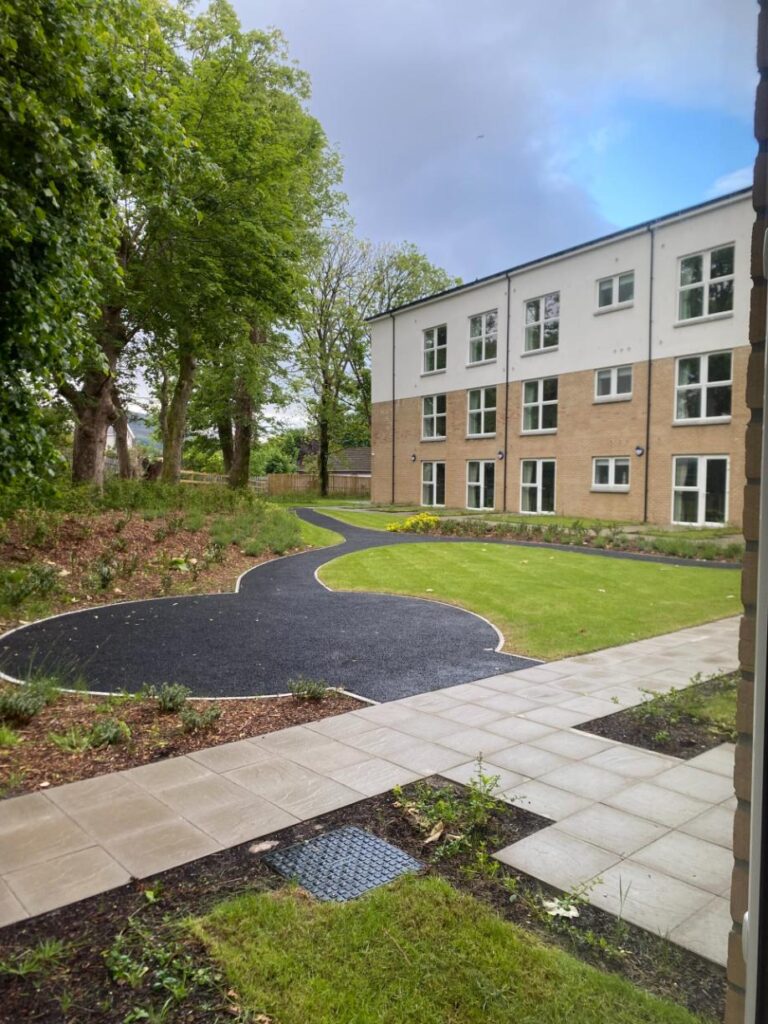
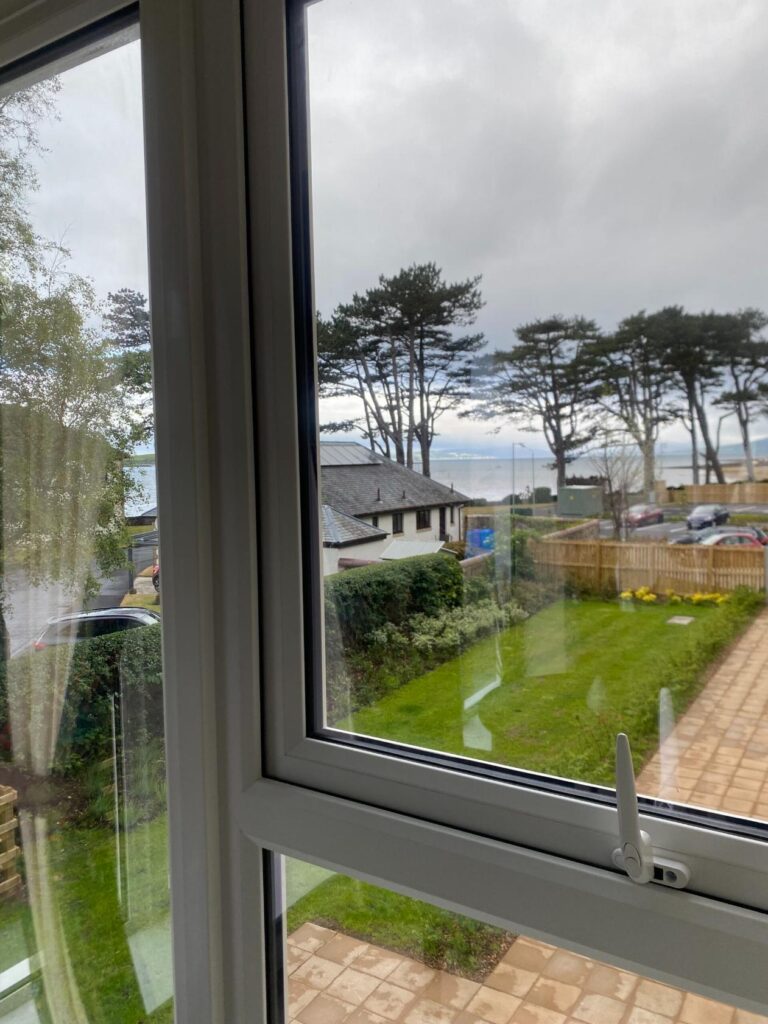
Whether someone enjoys spending time in the garden, taking part in activities, relaxing with a cup of tea overlooking the coast, or socialising with other residents, these moments remain incredibly important to overall wellbeing.
Families searching for care homes in Largs or nursing care in North Ayrshire are often looking for reassurance that their loved one will not simply be cared for, but genuinely supported to live comfortably and meaningfully.
Choosing the Right Nursing Home in Ayrshire
Choosing nursing care is a deeply personal decision, and every family’s priorities will look slightly different. Some may prioritise specialist dementia support, while others focus on atmosphere, continuity of care, or the warmth of the team.
When visiting a care home, it can help to look beyond facilities alone and pay attention to how the home feels. Are residents relaxed and engaged? Do staff interact warmly and naturally? Does the environment feel welcoming and calm?
At Bay Court Care Home in Largs, we understand how important it is for residents and families to feel supported throughout every stage of care. Our compassionate team provides high-quality nursing, residential, dementia, and palliative care tailored to each individual, with a strong focus on comfort, dignity, and continuity. If you are looking for a nursing home in Ayrshire or would like advice about nursing care for a loved one, we would be delighted to welcome you for a friendly chat and guided visit.